Strong foundations determine the long-term strength and stability of every construction project. Every stage of foundation work requires careful planning, accurate execution, and the use of suitable methods to achieve reliable structural performance. Proper preparation before building begins helps reduce delays, improve quality, and support the overall success of the project.
Foundation engineering plays a vital role in residential, commercial, industrial, and infrastructure developments. Among the many construction processes involved, removing excess concrete from foundation piles is one of the most important tasks. This article explains the importance of safe pile preparation, modern construction methods, equipment selection, safety considerations, quality control, and the value of professional planning in delivering successful foundation projects.
The Importance of Proper Pile Preparation
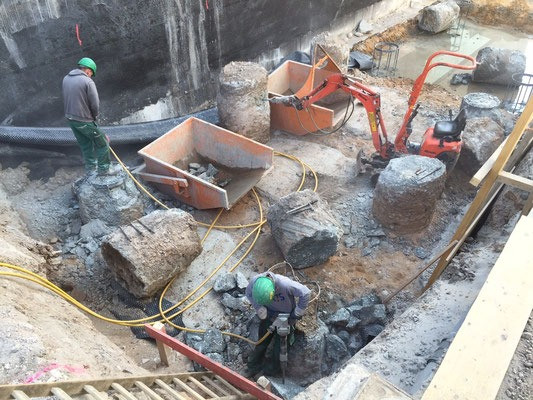
One of the essential stages in foundation construction is Pile cutting, which ensures that piles reach the required design level before the structural elements are installed. Proper execution helps expose reinforcement bars without causing unnecessary damage to the concrete or steel. This process allows the pile cap or other structural components to connect securely with the foundation.
Construction professionals carefully determine the required cutting level before work begins. Accurate measurements reduce the possibility of errors that could affect structural alignment. Modern equipment has improved precision while reducing manual labour and increasing productivity. Efficient planning also minimizes material waste and contributes to better project scheduling.
Successful pile preparation depends on understanding soil conditions, pile dimensions, reinforcement placement, and project specifications. Careful attention to these factors helps maintain structural integrity throughout the construction process.
Modern Equipment Improves Construction Efficiency
Construction technology continues to improve the speed and quality of foundation work. Hydraulic equipment, specialized cutting systems, and advanced demolition tools allow contractors to complete projects more efficiently than traditional manual methods. These innovations help reduce vibration, improve operator safety, and produce cleaner finished surfaces.
Selecting appropriate equipment depends on several project factors, including pile diameter, reinforcement layout, site accessibility, and construction timelines. Contractors often evaluate these variables before choosing machinery that meets both technical and safety requirements.
Reliable equipment also contributes to consistent project quality. When machinery operates efficiently, contractors can maintain accurate cutting levels while reducing unnecessary damage to surrounding structures or reinforcement.
Safety and Quality During Foundation Work
Safety remains one of the highest priorities on every construction site. Foundation activities involve heavy machinery, reinforced concrete, dust, noise, and various environmental challenges. Proper safety planning helps reduce workplace risks and supports smooth project execution.
Operators receive training to use equipment correctly while following established safety procedures. Personal protective equipment, regular machinery inspections, and clear communication among construction teams all contribute to safer working conditions.
Quality control is equally important. Engineers and site supervisors inspect completed work to verify that pile levels meet design requirements. Accurate inspections help identify any issues before additional structural work begins. Careful monitoring supports compliance with engineering standards and improves the durability of the finished structure.
Accurate Foundation Finishing Supports Structural Performance
After the initial pile installation, contractors focus on achieving the correct finished height before constructing pile caps or connecting structural elements. Pile Head Cutting is performed to remove damaged or excess concrete from the upper section of the pile while preserving the reinforcement required for structural connections.
Modern cutting methods improve precision and reduce the likelihood of unnecessary concrete damage. Skilled operators carefully follow engineering specifications to maintain the required dimensions throughout the process. Accurate execution supports proper load transfer between the pile and the completed structure.
Well-planned construction sequences also improve efficiency by coordinating excavation, reinforcement preparation, and foundation completion. Effective scheduling reduces delays and helps projects progress according to established timelines.
Long-Term Benefits of Professional Foundation Practices
Successful construction projects depend on careful planning from the earliest stages. Every foundation activity influences the strength, durability, and performance of the completed structure. High-quality workmanship during Pile cutting supports better structural alignment, while professional Pile Head Cutting helps create reliable connections between piles and pile caps.
Modern engineering practices encourage continuous improvement through better equipment, improved safety procedures, and more efficient construction techniques. Contractors who prioritize accuracy, equipment maintenance, and skilled operation often achieve higher-quality project outcomes.
Regular project supervision also ensures compliance with engineering specifications throughout every stage of construction. Thorough inspections help maintain quality standards while reducing the likelihood of costly corrections later in the project.
Conclusion
Foundation preparation remains one of the most important stages of any construction project because it directly influences structural stability, safety, and long-term durability. Accurate planning, modern equipment, skilled operation, and strict quality control all contribute to successful foundation work and efficient project completion.
Valuable industry information and professional resources can also be explored through brextor.com when learning about advanced foundation solutions and construction practices. Careful execution at every stage supports reliable structures, improved project efficiency, and consistent construction quality for developments of every size.